top of page

HISTORICAL PERFORMANCE

Jan Couchet the Elder (Flemish)
Chordophone-Zither-plucked-harpsichord, circa 1650; Courtesy of The Met Museum
The rich array of excellent UK period-instrument ensembles – ranging in size from trios to full orchestras – perform in leading music venues and festivals across the country and abroad, bringing a freshness of approach and variety to the classical music landscape.

Piero di Cosimo's Perseus Frees Andromeda, 1510-1515 (Uffizi)
OAE INSTRUMENTS
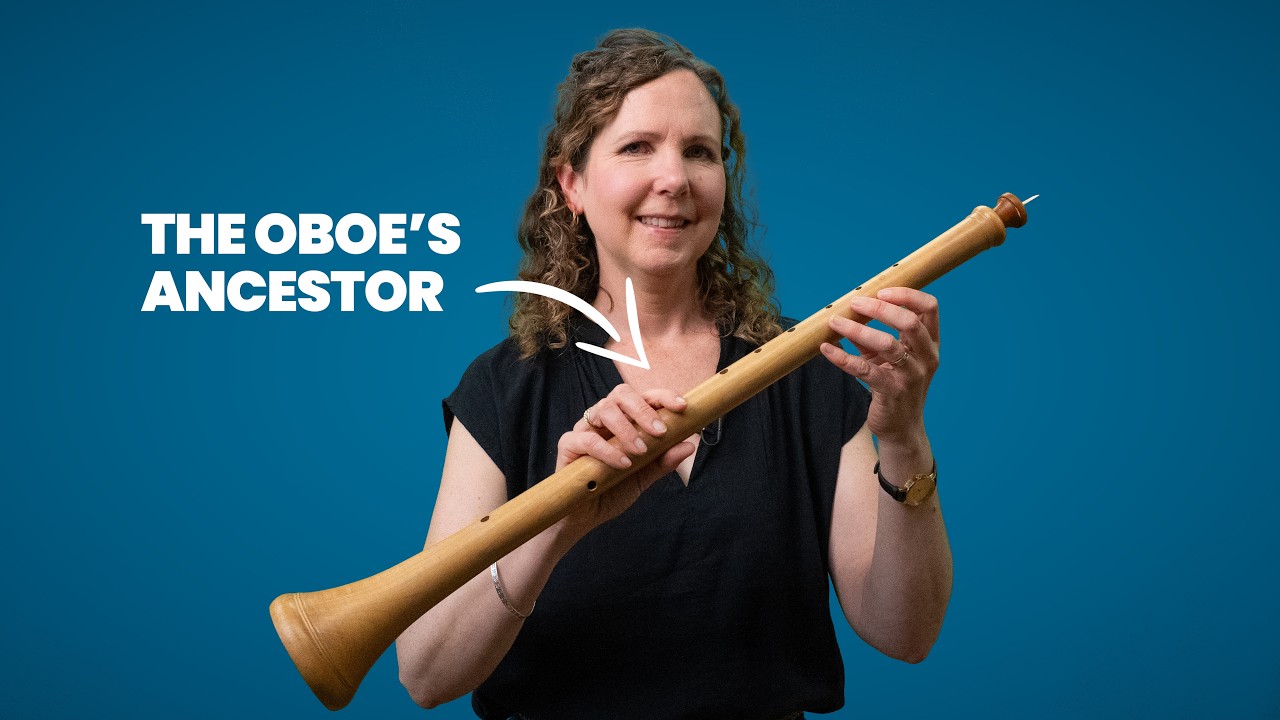
Some musicians play the original instruments, or faithful replicas, for which the music was composed at the time. Discover some of the amazing instruments played by musicians from the Orchestra of the Age of Enlightenment.



PERIOD INSTRUMENTS
bottom of page